Up on the Roof

Up on the Roof

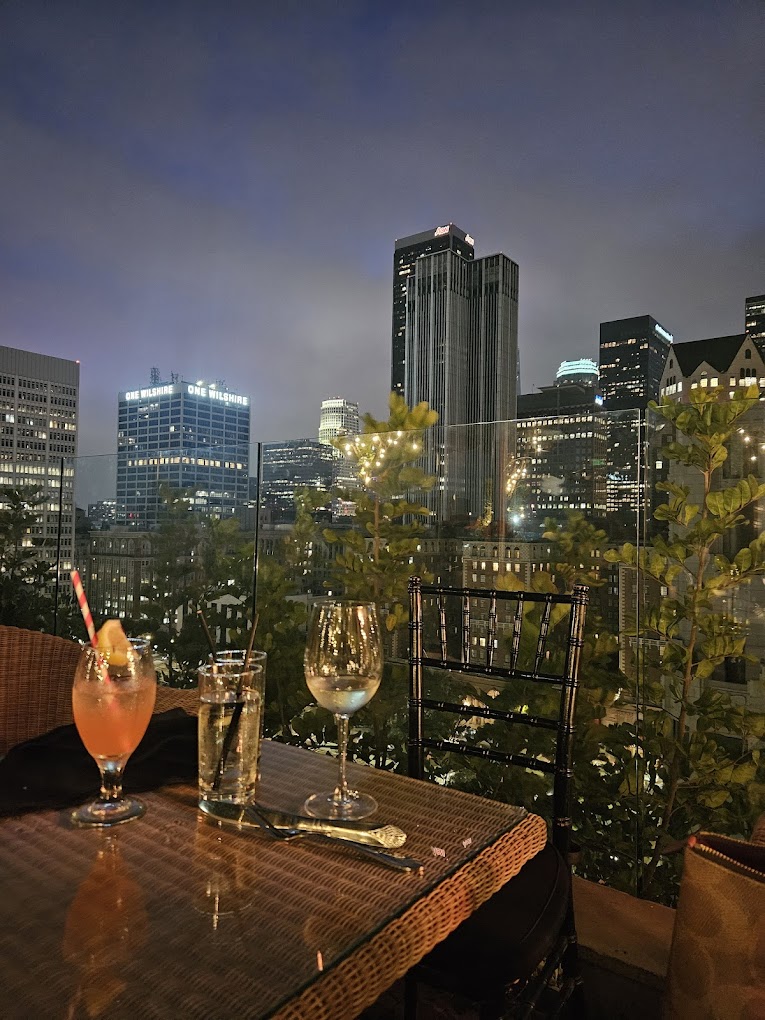
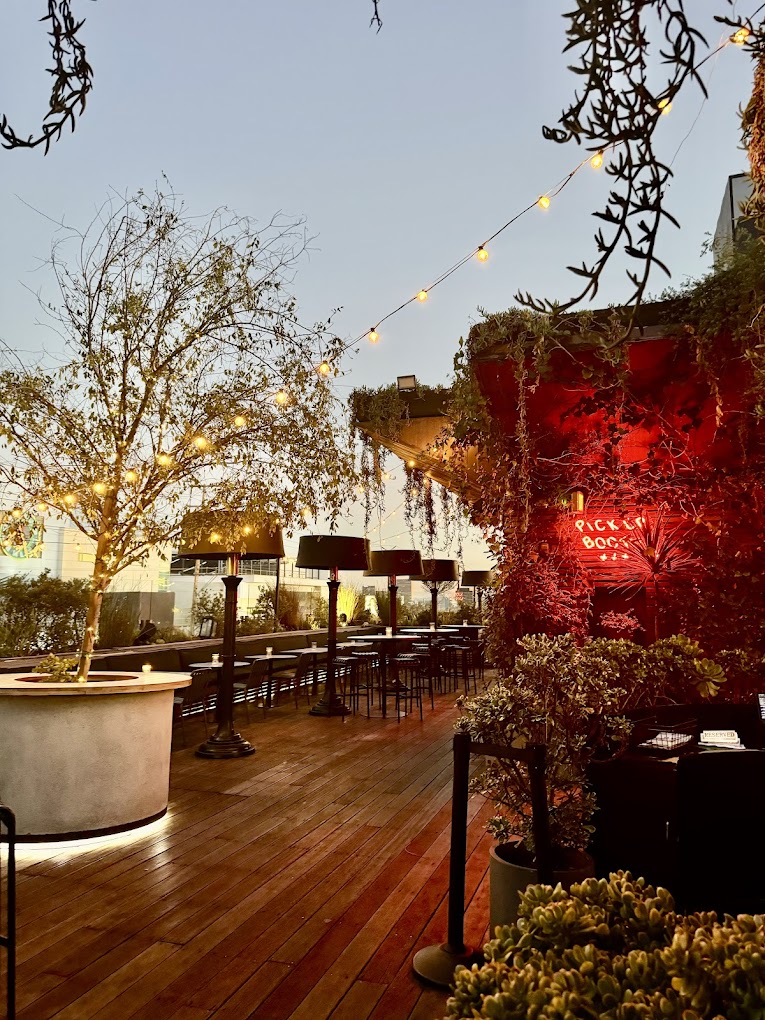
Summertime in Southern California is a great time of the year to experience dining and drinking under the stars. According to a 2023 lifestyle ranking, Los Angeles had the most top-rated rooftop restaurants in the U.S., placing No. 3 in the overall count, just behind NYC and ahead of San Diego—even though San Diego scores higher in climate suitability. Ironically, outdoor dining in Southern California was surprisingly limited due to stringent permitting and bureaucracy. During COVID, it became essential, and many municipalities have since enacted reforms to make it a permanent, accessible feature of local dining culture. If you are seeing that young people that is because a 2025 OpenTable industry report shows that 62% of Gen Z diners prefer rooftop bars when dining outdoors, more than any other age group. Smart restaurants are amplifying this by showcasing rooftop views on social and naming their outdoor sections (e.g., “garden patio”) to create distinctive atmospheres.

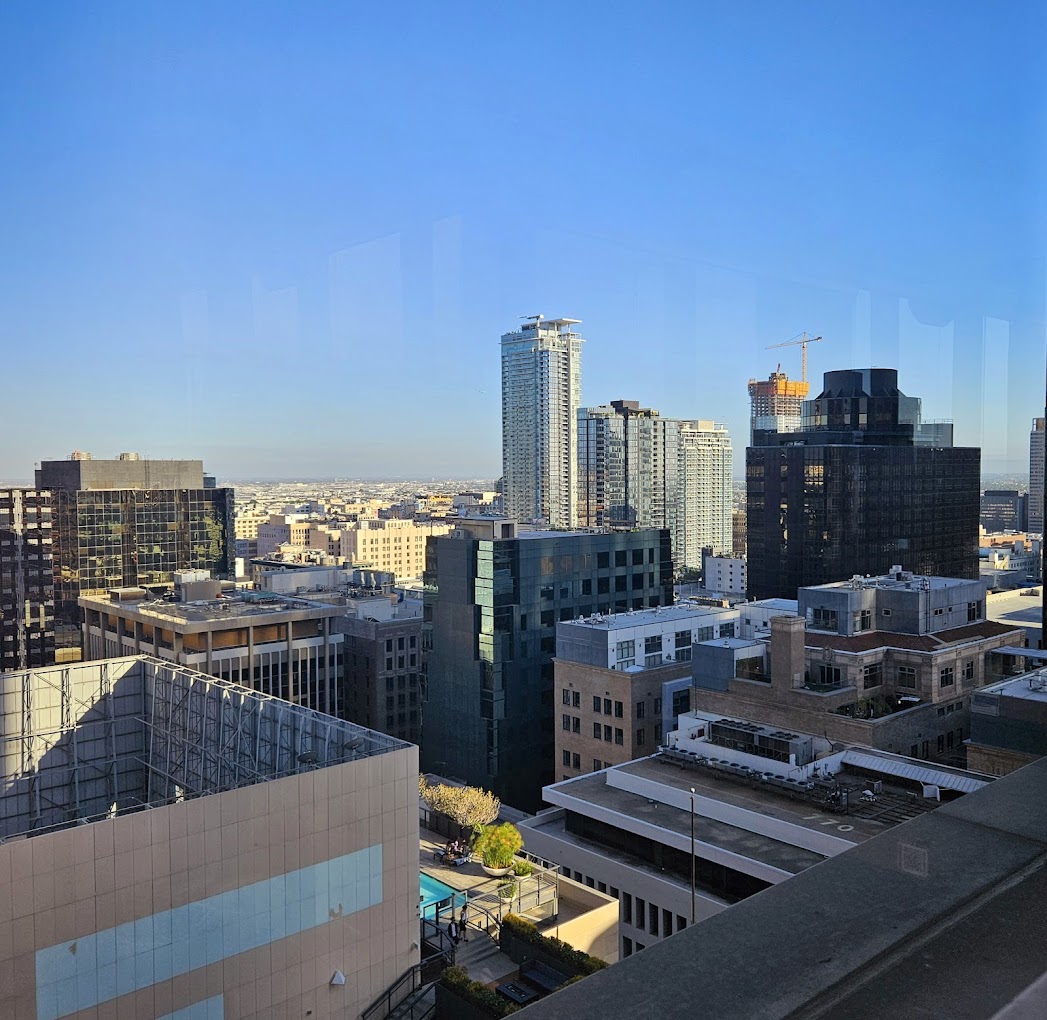
Spire 73 – InterContinental, DTLA

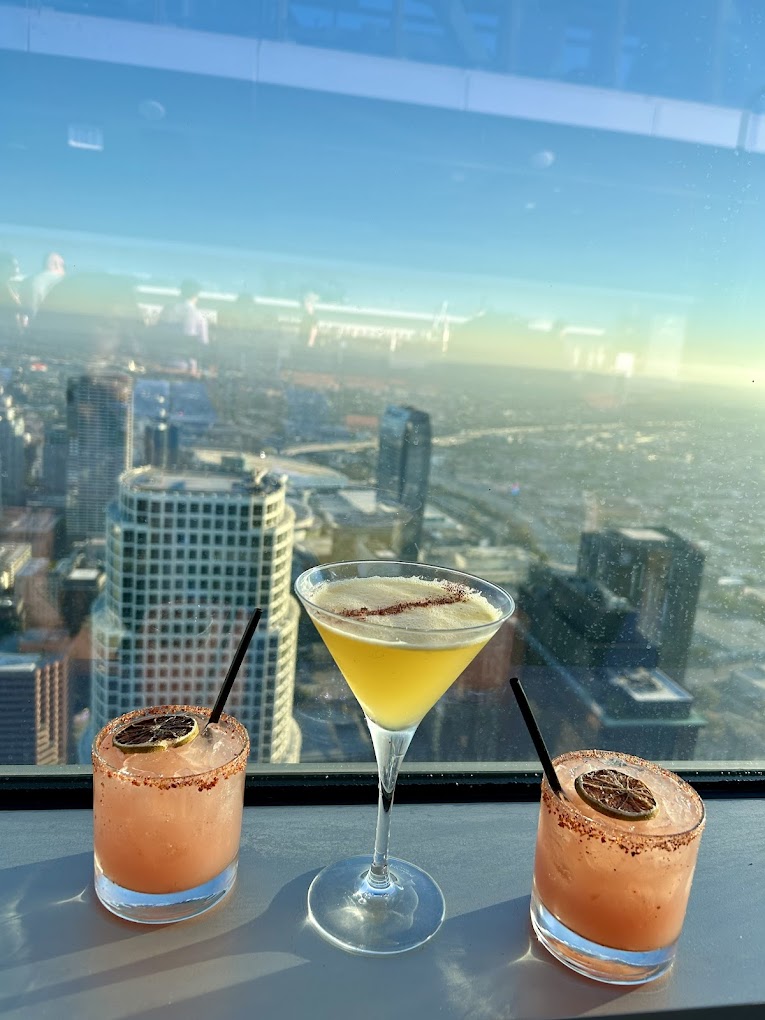
Soaring 73 stories up, Spire 73 is the tallest open-air bar in the Western Hemisphere. Expect sweeping views, modern décor, and signature cocktails that make this spot a must for visitors and locals alike. Spire 73, located on the 73rd floor of the InterContinental in downtown L.A., is the tallest open-air bar in the Western Hemisphere, offering unparalleled views of the metro area.

Address: 900 Wilshire Blvd, 73rd floor, Los Angeles, CA 90017
Website: spire-73 (.restaurants-world.com or their official site via the InterContinental LA)
Link: https://spire-73.restaurants-world.com

Perch – Downtown LA

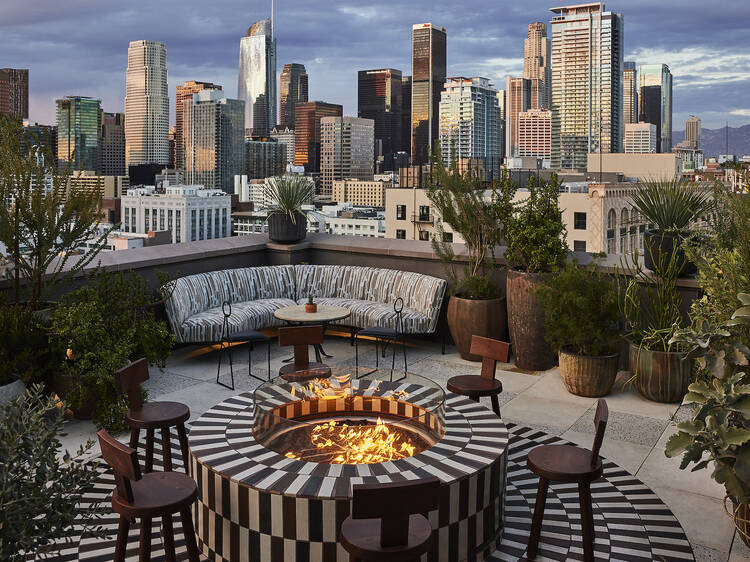
Perch is a French-inspired rooftop perched high above Pershing Square. With cozy fire pits, live jazz, and 360-degree views of the skyline, it’s perfect for date nights or group gatherings. Sip a classic cocktail while the city lights sparkle below.

Address: 448 S Hill St, Los Angeles, CA 90013
Website: perchla.com
Link: https://www.perchla.com

Takami Sushi & Robata

Takami Sushi & Robata is a sleek rooftop restaurant on the 21st floor in Downtown LA, serving modern Japanese dishes with panoramic city views. Right next door, Elevate Lounge transforms the space into a lively nightlife spot with DJs, cocktails, and an open-air terrace.

Address: 811 Wilshire Blvd, 21st Floor, Los Angeles, CA 90017

Website: https://www.takamisushi.com

Takami Sushi & Robata

Takami Sushi & Robata is a sleek rooftop restaurant on the 21st floor in Downtown LA, serving modern Japanese dishes with panoramic city views. Right next door, Elevate Lounge transforms the space into a lively nightlife spot with DJs, cocktails, and an open-air terrace.

Address: 811 Wilshire Blvd, 21st Floor, Los Angeles, CA 90017

Website: https://www.takamisushi.com

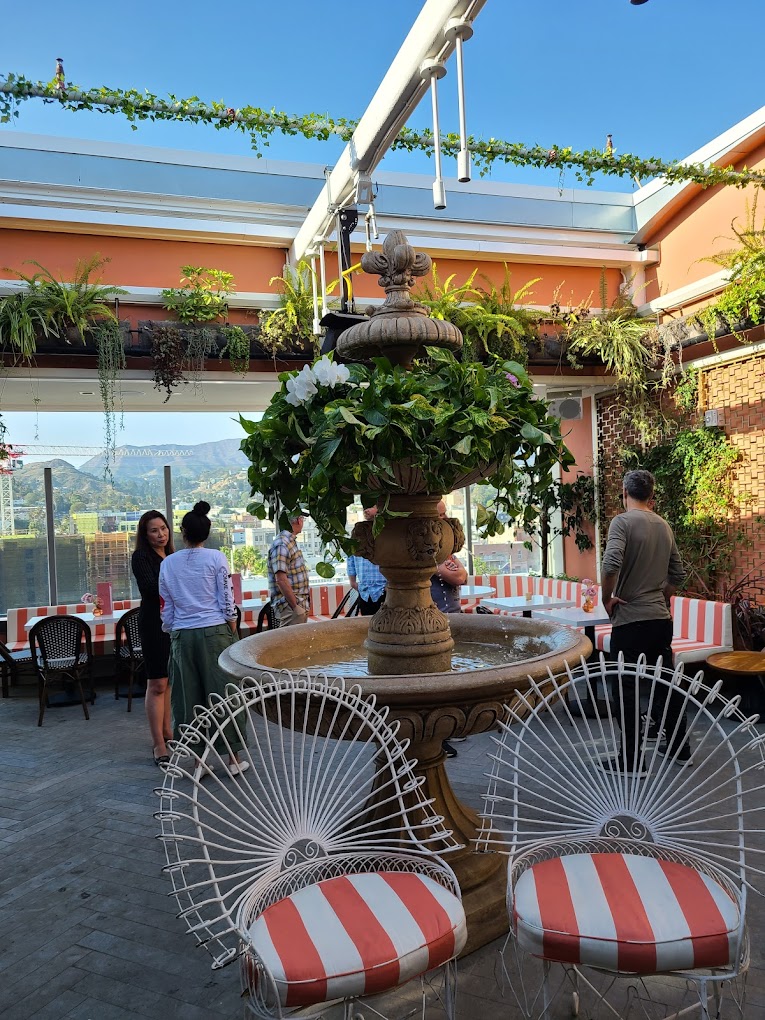
Bar Lis – Hollywood

Chic and stylish, Bar Lis channels the French Riviera with its pastel décor, lounge seating, and panoramic views of Hollywood. It’s upscale but relaxed, ideal for sipping spritzes late into the night.

Address: 1541 Wilcox Ave, Los Angeles, CA 90028

https://www.barlisla.com

E.P. & L.P. – West Hollywood

This lively rooftop has become a WeHo staple. Expect colorful cocktails, DJ sets, and a buzzing social scene—especially at sunset. Pop-ups and themed activations keep things fresh year-round.

Address: 603 N La Cienega Blvd, West Hollywood, CA 90069

Website: eplosangeles.com

Phone: (310) 855-9955

Cara Cara

Perched atop the Downtown LA Proper Hotel, Cara Cara offers sweeping skyline views alongside a vibrant, seasonal California menu curated by James Beard Award-winning chef Suzanne Goin. The rooftop features lush landscaping, cozy alcoves, and a curated selection of organic wines and craft cocktails by sommelier Caroline Styne.

Address: 1100 S Broadway, Penthouse Level, Los Angeles, CA 90015

Phone: (213) 806-1027

Website: properhotel.com/downtown-la/restaurants-bars/cara-cara

Elephante – Santa Monica

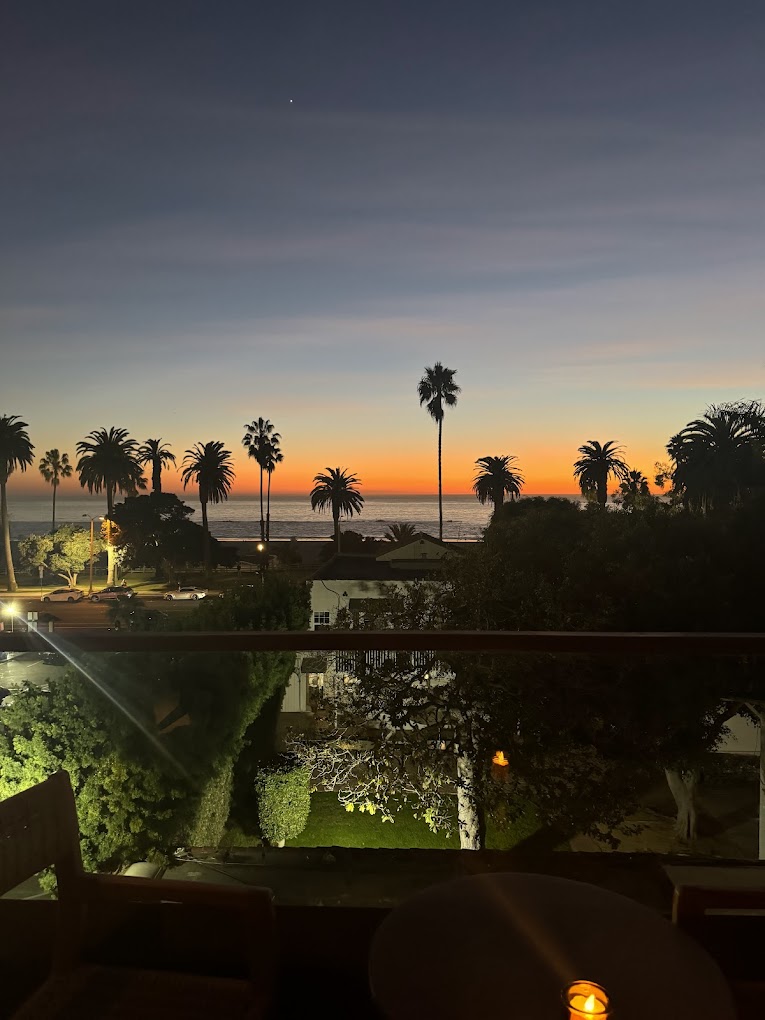
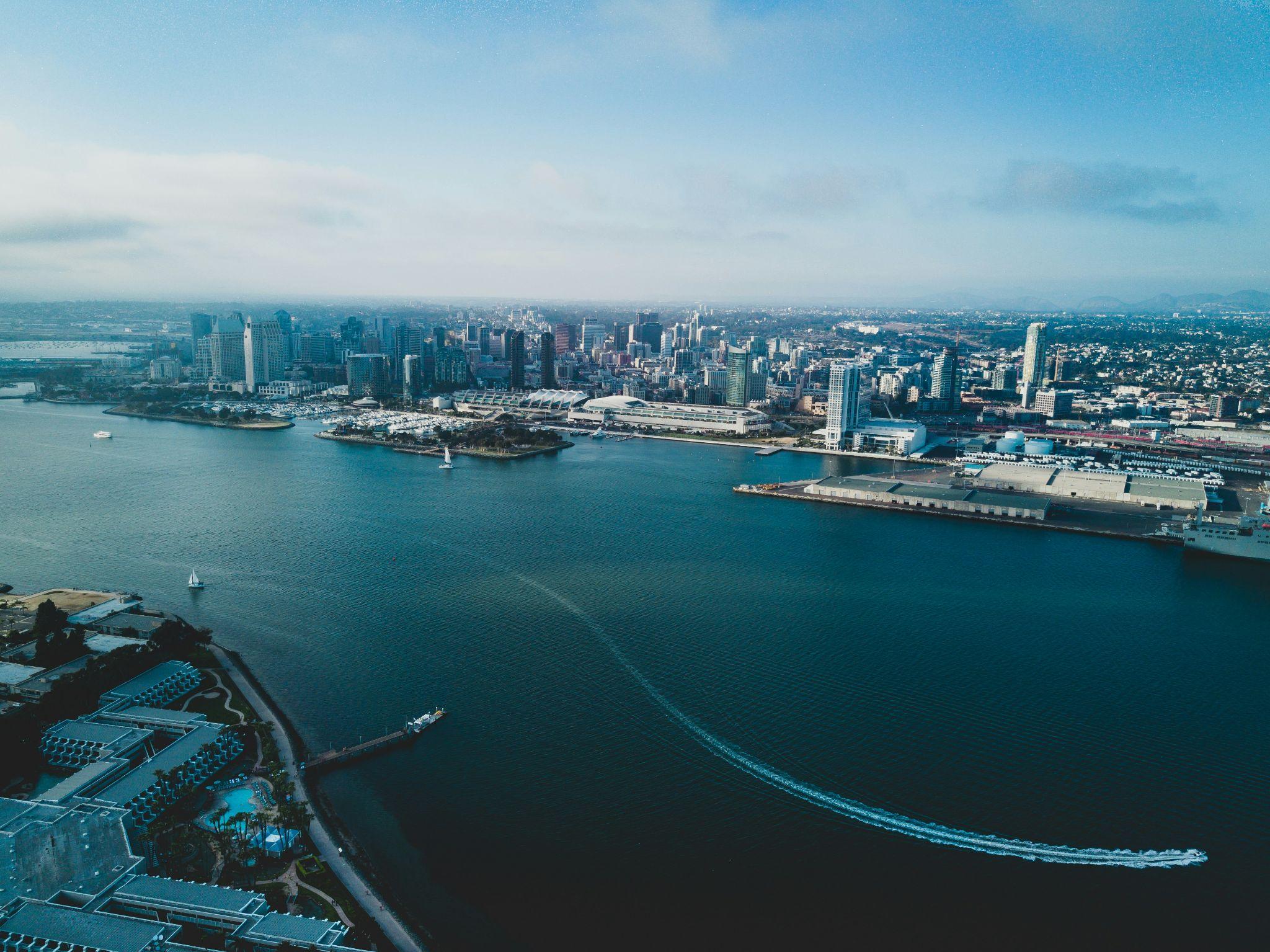
Overlooking the Pacific, Elephante brings coastal Mediterranean vibes to Santa Monica. Expect wood-toned interiors, breezy outdoor seating, and a sunset backdrop that feels straight out of a vacation.
Address: 1332 2nd St, Rooftop, Santa Monica, CA 90401

 elephanterestaurants.com

Phone: (424) 320-2384

Rise Rooftop Lounge | Anaheim

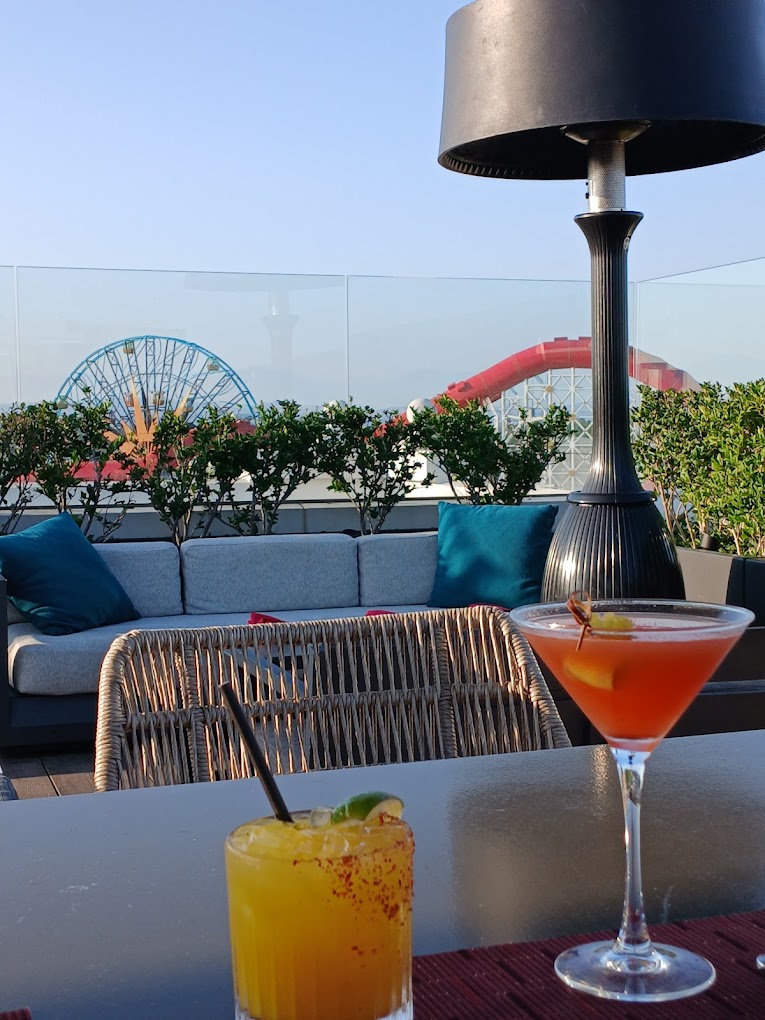
Rise Rooftop Lounge is a chic rooftop bar located atop The Westin Anaheim Resort. It offers unobstructed views of Disney California Adventure® Park and the nightly Disneyland® fireworks. The lounge features a vibrant atmosphere with live entertainment on weekends, making it a popular spot for both locals and visitors.

  • Address: 1030 W Katella Ave, Anaheim, CA 92802

  • Phone: (657) 279-9786

  • Website: rise-rooftop.com

Facebooktwitterlinkedininstagramflickrfoursquaremail
Rafaela Gonçalves, A Creative Force Bridging Worlds

Rafaela Gonçalves, A Creative Force Bridging Worlds

When I sat down with Rafaela Gonçalves, I didn’t feel like I was interviewing someone, it felt like catching up with a friend. We laughed, we reflected, and we got deep about what it really takes to carve out a space in an industry that often tells us to shrink ourselves.

Rafaela’s journey started with a dream: she moved to the U.S. wanting to become “the next Latina Hannah Montana.” Like many of us, she quickly realized that dream wasn’t going to come easily. The roles offered to Latina women were stereotypical, the classes pushed her to reduce herself, and she found herself wondering if she had to let go of parts of who she was just to fit in. “I realized I’m never not going to be Brazilian,” she told me. “So why not create opportunities that reflect who I am, and bring my community with me?” That mindset became the foundation for her work. Instead of waiting for doors to open, she built her own.

Her debut short film, “If the Shoe Fits,” wasn’t meant to be groundbreaking, it started as a thesis project during her master’s program. But inspired by her father’s advice that “people are like shoes… sometimes no matter how badly you want it to fit, it just won’t,” Rafaela wrote a story that became deeply metaphorical. What began as a drama grew into something more experimental;  a psychological body-horror short, drawing from her love of visuals and inspirations like Black Swan and Scorsese’s The Big Shave. “I wanted language not to be a barrier,” she said. “I wanted anyone, anywhere to understand this story.” Circumstances have forced her into wearing every hat at once, writer, director, producer, and even lead actress after her original star dropped out. “It was out of necessity,” she admitted. “But it taught me so much. Producing is really about problem-solving, about embracing mistakes and turning them into better ideas.” That resilience resonated. The film went on to win awards across international festivals, from Venice Under the Stars to IndieFEST and Film Invasion LA. But what mattered more to Rafaela wasn’t the trophies, it was the connection. “It wasn’t just about romance,” she explained. “It was about every time you try to force yourself into something that doesn’t fit, friendships, family, work. I wanted people to reflect and realize they deserve better.”

Photo Credit: Sharis Daneri Photography

Her second short, “Someone in Me,” now in post-production, is a return to her roots in the most literal way. At just 15 years old, Rafaela published a bestselling novel in Brazil, a story about a girl with heterochromia navigating bullying and belonging. That book led to her being invited as a torchbearer for the 2016 Rio Olympics, long before film was even on her horizon. Now, ten years later, she has adapted the story into a film that explores dual identity: a young girl raised Brazilian in America, torn between two worlds but learning to embrace both. “It’s a full-circle moment,” Rafaela said, smiling. “That 15-year-old me just wanted to bring her imagination to life. Now, those same ideas are what fuel me as a producer and filmmaker.”

Rafaela’s growth is also marked by her transition into feature films. She is co-producer and lead actress in Blow for Blow, a martial-arts feature directed by Brazilian jiu-jitsu master Rigan Machado, an 8th-degree red and white coral belt, renowned in both martial arts and cinema circles.

“Working with Rigan was inspiring,” she shared. “His background is so impressive, and I learned so much from being part of that process. The biggest difference from my shorts was that this time, I had help. I had a team.”

That simple shift, from doing everything herself to collaborating with seasoned professionals, marks a turning point. It shows how far she’s come, not just as a filmmaker but as a leader who thrives in collaboration.

What stands out most in Rafaela’s story isn’t just her talent, but her heart. She’s driven by a desire to uplift her community to create opportunities not only for herself but for other actors, producers, and storytellers who might otherwise go unseen. “We can’t wait around for opportunities. We have to create them,” she insists.

When I asked her how people can support her, her answer was simple: watch the films I produce or star in, stay connected, and share the work. She uses her social media to post tips on production, acting, and writing offering transparency and encouragement to anyone dreaming of breaking into the industry.

Photo Credit: Sharis Daneri Photography

By the end of our conversation, what struck me most was not Rafaela’s long list of accomplishments though publishing a book at 15, carrying the Olympic torch, and producing award-winning films is no small feat. What struck me was her unwavering belief in herself.

“If you don’t believe in yourself, who will?” she said. And she’s right.

Her story is proof that our differences are our strengths, that sometimes wearing every hat is just part of survival, and that when we stop waiting for permission and start building our own paths, we create not just art but inspiration.

Talking with Rafaela reminded me of something I think we both live by: being delusional enough to believe in yourself isn’t a weakness, it’s the first step toward making the impossible real.

Follow Rafaela on socials and continue to support her: 

Instagram

@itsrafaelagoncalves 

@halfnrafaproductions

Tiktok

@itsrafaelagoncalves


Facebooktwitterlinkedininstagramflickrfoursquaremail
A New Diner in Town: Tesla

A New Diner in Town: Tesla

When Tesla Diner opened on July 21, 2025, it drew massive crowds eager to see a “Grease meets The Jetsons” fantasy brought to life. Wrapped in gleaming stainless steel, the two-story saucer-shaped diner—designed by Stantec—boasts over 250 seats75–80 V4 Supercharger stalls, and two massive 66-foot movie screens, transforming mundane charging into entertainment and spectacle

Inside, the design is pure retro-futurism: neon-lit booths, roller-skating servers, Cybertruck-themed packaging, and even a popcorn-serving Optimus robot. Guests can order via kiosks or directly through their Tesla’s touchscreen, and some food items arrived theatrically in custom boxes .

The Initial Menu: Ambitious and Eclectic

Helmed by Chef Eric Greenspan (with Bill Chait), the original menu was an expansive, diner-classic mash-up with modern flair:

  • Smash-style Tesla Burger with “Electric Sauce”
  • Chicken & wafflestuna meltshot dogshand-spun shakesCharged Sodas (with caffeine), biscuits with red chorizo gravy, and even soft-servepie shakes, and pastries

The tone was playful and proud—fries with beef tallow, sourced ingredients, and Cybertruck boxes to underscore the brand experience

Menu Trims: A Reality Check in August

Just weeks in, the diner dramatically reduced its menu, citing “unprecedented demand” as the reason. As of mid-August:

  • The menu now consists of only five sandwichesa burgera hot dogfriesa cup of chilipecan pie, shakes, and soft drinks.
  • Popular items like Epic Baconbiscuits and gravyveggie burgermarket saladclub sandwichchocolate chip cookiesShirley Temple, and Creamsicles have all been dropped.
  • The once-promised all-day breakfast is now strictly limited to morning hours

Additionally, the claim of being a 24/7 restaurant now only holds true for Tesla (and other EV) drivers charging between midnight and 6 a.m., while access for walk-in customers has been limited

Final Verdict: Atmosphere Over Culinary Consistency

Highlights:

  • Unmatched ambiance: Truly entertaining and visually compelling—robots, retro servers, rooftop views, synchronized movie screens, and a buzz-filled vibe
  • Brand immersion: From Cybertruck boxes to in-car ordering, every detail reinforces Tesla’s identity .
  • Novelty appeal: For fans of Musk, EV culture, or kitschy experiences, this is a must-see .

Challenges:

  • Taste vs. hype: Food quality and availability were inconsistent—some diners found it enjoyable, while others were disappointed
  • Long waits and supply chaos: Queues, sold-out items, and operational glitches marred the experience—though many stayed in good spirits (“It is what it is”)
  • Menu cutbacks: A tangled initial menu was swiftly replaced by a stripped-down selection, signaling overreach and under-delivery .
  • Access limitations: Late-night service is now restricted, limiting the diner’s 24/7 promise to EV drivers only

Is it really new?

Tesla Diner is less about pioneering a next-gen culinary destination and more about selling a dining experience—part museum, part charging station, part sci-fi theater. If you’re drawn in by spectacle, nostalgia, and EV aesthetics, it’s a worthy stop. But if you’re seeking reliably delicious food with fully stocked menus and quick service, you might want to wait and see how the operation evolves.


AI Overview
 
I Waited in Line Two Hours for a Tesla Burger—Was It Worth It?

The Tesla Diner is located at 7001 Santa Monica Blvd, West Hollywood, California, 90038,

Facebooktwitterlinkedininstagramflickrfoursquaremail
Domestic Travel: Grand Hyatt Regency Resort, Scottsdale, AZ

Domestic Travel: Grand Hyatt Regency Resort, Scottsdale, AZ

…and, if airports, luggage, passports, and in-flight meals have no appeal, there is always domestic travel.

It’s a short flight — just about an hour and twenty minutes — and even better, you can depart from the easygoing Bob Hope (Burbank) Airport. Soon enough, you find yourself descending into the beauty of the Sonoran Desert, where wildflowers, cactus blossoms, and vibrant greenery flourish beneath the wide, endless sky. Iconic Saguaro cacti are silhouettes along the horizon. From there, it’s a short drive to the Grand Hyatt Scottsdale Resort.

Opened in 1986 as part of the famed Gainey Ranch development — once a thriving Arabian horse ranch — the resort has recently emerged from a spectacular $115 million renovation. The grounds are lush, a paradise of tall, swaying palms and endless golden light. There’s an immediate sense of calm and quiet luxury that settles over you as soon as you arrive.

Wandering the expansive grounds, you notice playful stretches of astroturf where children laugh and run freely. Beyond that, a sprawling pool complex beckons, complete with private cabanas and even a white-sand beach area — a perfect playground for young adventurers.

The Grand Hyatt Scottsdale Resort blends Sonoran Desert serenity with the polish of a high-end resort. It’s big, bold, and unashamedly resort-y—but in all the right ways. Think palm-lined pools, open skies, and just enough Southwestern flair to remind you you’re not in Florida.

The Setting

Located in the upscale Gainey Ranch neighborhood, the Grand Hyatt Scottsdale Resort  puts you in one of Scottsdale’s most desirable pockets. It’s quiet, green, and ringed by mountain views. You’re about 10 minutes from Old Town Scottsdale—close enough for a dinner out, far enough to escape the traffic and tourists.

The resort itself sits on 27 acres of manicured desert landscaping. with a large canvas agaunst a blue sky. Yes, it’s a little theatrical. But it works.

Rooms

The rooms are comfortable and clean, with great views.  Expect classic Southwestern tones—earthy palettes, wood accents, and big windows. Many rooms come with patios or balconies, and mountain or pool views. If you can, go for a room that faces Camelback Mountain at sunset—it’s worth it.

Pools & Play

This is where the Grand Hyatt Scottsdale Resort flexes: ten pools, including an adult-only area, a sandy beach for kids, a 3-story waterslide, and hot tubs tucked under palms. The pool scene is chill during the week and more lively on weekends.

The property also includes a 27-hole golf course next door, a full-service spa, tennis courts, and daily activities like yoga, Native American storytelling, and desert wildlife presentations. There’s plenty to do, but the resort doesn’t shove it in your face.

The Spa

Spa Avania is located within the Hyatt Regency Scottsdale Resort & Spa at Gainey Ranch (now rebranded as Grand Hyatt Scottsdale Resort & Spa) AZ Spa Girls Arizona Spa GuideHyatt.

  • The spa’s design is inspired by nature and ancient traditions, blending Mediterranean and Middle Eastern influences with the tranquility of the Sonoran Desert. Its sprawling setting across 2.7 acres includes indoor and outdoor treatment rooms, gardens, meditation areas, and water features such as a lotus pond.


    Spa Avania Offers a luxurious wellness environment featuring:

    • A state-of-the-art fitness center and yoga/movement studio

    • A French Celtic mineral pool (~16,290 gallons) plus hot and cold plunge pools

    • Steam rooms, saunas, whirlpools, indoor/outdoor storm showers, and a lily pond for serene lounging

    • Salon services, a boutique, a meditation space, and a couples’ suite

      The spa specializes in:

      • Massages, facials, and body treatments, including Vichy water immersion therapies

      • Hair & nail services: hair treatments, styling, manicures, pedicures, and updos

      • Additional offerings like airbrush tanning, body wraps, and a salt room for relaxation
Food & Drink

The Grand Hyatt Scottsdale Resort & Spa offers a diverse array of dining options that reflect the resort’s transformation and culinary innovation. Under the guidance of celebrity chef Richard Blais, the resort has introduced six new dining concepts, each bringing a unique flavor to the Scottsdale dining scene.

La Zozzona

A sophisticated Italian-American restaurant offering handmade pasta, wood-fired steaks, and seafood dishes. The menu features flavors inspired by Rome, Florence, and Tuscany, complemented by an extensive wine list. The elegant setting includes private dining options for special occasions.

Tiki Taka

A vibrant fusion of Japanese sushi and Spanish tapas, Tiki Taka combines traditional flavors with a modern twist. The menu includes inventive small plates and signature cocktails, set in a lively atmosphere with an outdoor patio. Hyatt

Mesa Centrale

An American grill showcasing Southwest flavors, offering a variety of dishes from breakfast to dinner. Guests can enjoy wood-fired pizzas, sandwiches, and an epic buffet, all while taking in stunning views of the McDowell Mountains.Experience Scottsdale+1

Grand Vista Lounge

A stylish lobby bar serving a curated selection of cocktails and light bites. The lounge offers a refined atmosphere, perfect for pre-dinner drinks or casual gatherings.

H2Oasis

A poolside eatery offering island-inspired tacos with global flavors from the South Pacific, Polynesia, Hawaii, and the Caribbean. The casual setting provides a relaxed dining experience by the water.Phoenix New Times

Poolside Grill

A family-friendly poolside spot serving classic American fare such as burgers, fries, and chicken tenders. Ideal for a quick and satisfying meal while enjoying the resort’s amenities.

These dining establishments are part of the resort’s extensive renovation, which also includes updates to guest rooms, the spa, fitness center, and other public areas. Whether you’re seeking fine dining or casual fare, the Grand Hyatt Scottsdale Resort & Spa offers a diverse range of culinary options to enhance your stay.

Who It’s For

This isn’t the spot for minimalist luxury or urban edge. It’s for families, couples, and conference-goers who want an easy, sun-drenched escape with everything in one place. You’ll see kids in the pool, golfers on the course, and couples at the spa—all coexisting comfortably.

Why Here?

The Grand Hyatt Scottsdale Resort delivers a classic, full-service Arizona resort experience. It’s polished without being pretentious, relaxed without being dull. If you want to enjoy the desert without roughing it—and still have enough amenities to keep you busy for days—it’s a strong choice.

Fear of Flying : a sidebar

If you’ve ever heard the expression “fear of flying,” I had it. Elevators with windows? No thanks. Mountain ridges? I’ll admire them from afar. Edges at the Grand Canyon? Step back, please. Airplanes? I eventually forced myself to take the ride—whether I liked it or not—but helicopters? That was another story.

So when the idea of a short day trip from the resort to H5 Helicopters was announced, I boldly declared, “I’ll go… but I’m not getting on a helicopter.”

H5 turned out to be unexpectedly captivating. One side of the hangar held a gleaming line of exotic, perfectly preserved cars. On the other sat what looked like a giant toy—a polished helicopter, every inch sparkling under the lights. I peeked inside. Buttons, levers, switches—enough to make my palms sweat.

As our small group prepared to board, fear and indecision swirled into one strange, uncomfortable brew. That’s when Mitch Kelldorf, the owner and pilot, stepped in. We’d chatted earlier in the office, where my eyes had landed on a book on his desk—Beatles Gear by Andy Babiuk. Mitch noticed and said, “Take it, it’s yours. I know the author; I can get another.”

I was delighted with the gift—but then came the moment of truth. The helicopter was ready. My inner voice whispered, Have fun, guys. See you soon. But Mitch pulled me aside: “Look, I’m gonna take you up—if you don’t like it, I’ll bring you right down. OK?”

There was something in his tone—steady, confident—that bypassed my hesitation. Minutes later, I was in the back seat, feeling the lift as we rose straight from the ground. And just like that, the fear evaporated. In its place was pure, unfiltered thrill. I was soaring through the mountain corridors of the Southwest, the landscape rushing beneath me.

That moment, and the many like it, is why I love to travel. To experience something new—from food in another country to sunsets on unfamiliar shores, to sitting with strangers and sharing the moment. I’m thankful to Mitch for how he handled it. His quiet confidence made me feel safe. And, of course, he likes the Beatles.

Facebooktwitterlinkedininstagramflickrfoursquaremail
Movies and the State of Hollywood

Movies and the State of Hollywood

Ah, the movies. Once a staple in the entertainment arsenal, it has become an expensive proposition: In Los Angeles, the average cost of a standard movie ticket currently ranges from $18 to $20, depending on the theater and time of day. Premium formats like IMAX, Dolby Cinema, or 3D can push prices higher, often exceeding $22 for evening shows. Matinees and weekday showings may come in slightly lower, closer to $15–$17.
Concessions are where costs add up quickly. A regular soda typically runs between $5 and $7, while popcorn varies from $6 to $10, depending on size and add-ons like butter or seasoning. Candy generally starts around $4.

Combo deals are common but still pricey—a popcorn and drink combo can easily cost $15 to $20. Some theaters offer meal options or alcohol, which can increase your total even more.


Typical Total for One Person

If you’re headed to the movies in LA and plan to get refreshments, expect to spend about $28 to $35 per person for a standard night out.

Which brings us to look into the business of the movies: Moviegoing in Hollywood—and across the U.S.—is still in recovery mode. Despite the return of blockbuster titles and improved theatrical experiences, theater attendance remains significantly below pre-pandemic levels. While studios continue to release films on traditional Fridays, the size of the audience showing up has yet to fully bounce back.
The domestic box office is expected to reach around $9 billion in 2025. While that’s a step up from 2024, when revenue hovered just under $8.7 billion, it still trails the pre-COVID highs of $11 to $12 billion. Ticket sales tell a similar story: only 817.9 million tickets were sold in 2024—a steep drop from the 1.2 billion sold in 2019.

This lag has prompted major theater chains to rethink their strategies. AMC Theatres, the nation’s largest exhibitor, is pursuing a multi-year recovery plan. Along with investing in luxury seating and premium formats like IMAX and Dolby Cinema, AMC is making some key changes to the overall experience. One of the more surprising updates: shortening the time between the scheduled movie start and the actual film. Starting this year, AMC is trimming its famously long pre-show previews to a more manageable length, hoping to reduce viewer frustration and improve overall satisfaction.

In another move to boost attendance, AMC has introduced discounted tickets on Tuesdays and Wednesdays for loyalty members. These midweek deals aim to increase foot traffic during slower periods while offering more value to consumers wary of premium ticket prices.

Theaters are also leaning into event-based and immersive experiences. From advanced sound and visuals to live simulcasts of concerts and sporting events, cinemas are positioning themselves as more than just a place to watch movies. But even with these upgrades, audiences are still selective. A growing portion of viewers now wait for digital releases or choose at-home streaming, especially for mid-budget films or dramas.

The recovery is real—but slow. And while big titles are still capable of drawing crowds, the industry is adjusting to a new normal, where fewer people go to the movies, but those who do expect more for their time and money.

That said, Fridays have generally been the day that new movies are released. And so it is that we have opening today:

Freakier Friday revives the beloved body-swap comedy with a fresh twist. Lindsay Lohan and Jamie Lee Curtis return in a chaotic, high-energy sequel that expands the concept into a multigenerational tangle of swapped identities. It blends physical comedy with heartfelt family dynamics, capturing the same charm that made the original a classic while introducing younger characters and modern-day complications.

Weapons steps into much darker territory. This slow-burning horror-drama unfolds as a haunting mystery surrounding the disappearance of a child and the secrets that unravel in its wake. The film is both unsettling and emotional, pushing past typical genre conventions with layered characters and unpredictable twists. It’s less about jump scares and more about creeping dread and moral ambiguity.

The Bad Guys 2 continues the animated adventures of its quirky animal antiheroes, now trying to stay on the right side of the law while facing new global threats. Packed with action, clever dialogue, and flashy heist sequences, the sequel leans into its playful tone without losing the emotional beats that made the first film stand out. It’s fast, funny, and full of visual energy, aimed squarely at both kids and adults.

Facebooktwitterlinkedininstagramflickrfoursquaremail
How to Avoid Jet Lag on Long-Haul Flights: A Traveler’s Guide

How to Avoid Jet Lag on Long-Haul Flights: A Traveler’s Guide

Jet lag — is a real thing, a nuisance and a mood that can alter your happy travel plans.

Jet lag — that groggy, off-kilter feeling after a long-haul flight — can throw off the first few days of any trip. When you’re traveling across multiple time zones, especially on routes like Los Angeles to Hong Kong (a 15-hour flight with a 15-hour time difference), your internal clock (circadian rhythm) struggles to keep up with the new local time. Fortunately, with the right strategies before, during, and after your flight, jet lag can be minimized — or even avoided entirely.


 What Causes Jet Lag?

Jet lag occurs when your body’s internal clock is out of sync with the time zone you’ve entered. Your sleep-wake cycle, meal times, and body temperature are still aligned with your departure location — not your destination. The more time zones you cross, the more severe the disruption can be. Traveling eastward (like L.A. to Hong Kong) often leads to worse jet lag because it requires your body to advance its schedule, which is harder than delaying it.


 Pre-Flight Preparation: Start Adjusting Early

1. Shift Your Schedule Gradually

Begin adjusting your sleep and meal times to match your destination’s time zone 2–3 days before departure. For eastward travel, this means:

  • Going to bed 1–2 hours earlier each night

  • Waking up earlier in the morning

  • Eating meals based on your destination’s time

2. Hydrate Ahead of Time

Dehydration intensifies jet lag symptoms. Drink plenty of water in the days leading up to your flight. Avoid alcohol and caffeine 12–24 hours before flying, as both can interfere with sleep quality and hydration.


 In-Flight Strategy: Think Like You’re Already There

3. Set Your Watch to Destination Time

As soon as you board, adjust all devices (watch, phone, tablet) to the local time at your destination. This mental shift helps you start aligning your behaviors — sleeping, eating, and activity — with your new time zone.

4. Sleep Smartly

Try to sleep during the time your destination will be night. For instance, on a flight from Los Angeles (departing 12:40 PM) to Hong Kong (arriving 6:40 PM next day), aim to sleep during the second half of the flight, so you land in the evening feeling refreshed.

Tips for better sleep on planes:

  • Use a sleep mask, neck pillow, and noise-canceling headphones or earplugs

  • Avoid blue light from screens before sleeping

  • Consider melatonin supplements (0.5–3 mg) to help reset your body clock

5. Eat Light and Time Your Meals

Eat based on your destination’s schedule — even if it means skipping a meal. Heavy meals disrupt sleep and digestion during flight.

6. Stay Active

Stretch your legs, walk the aisle, or do seated stretches every few hours to improve circulation and reduce fatigue.


 After Landing: Anchor Yourself in the New Time Zone

7. Get Natural Light

Sunlight is a powerful cue to reset your internal clock. Get outside in the morning if you arrive in the evening or the next day. This helps your body produce cortisol and suppress melatonin at the right times.

8. Stay Awake Until Local Bedtime

Even if you’re tired, resist the urge to nap when you arrive. Try to stay awake until at least 10 PM local time to help your body adjust quickly.

9. Use Melatonin (If Needed)

For the first few nights, a small dose of melatonin at your new bedtime may help your body shift faster — especially after eastbound travel.


 Bonus Tips for Beating Jet Lag

  • Avoid caffeine for 6–8 hours before bedtime at your destination

  • Keep meals light and consistent

  • Avoid alcohol on the first night — it disrupts REM sleep

  • Create a bedtime ritual to signal your body it’s time to wind down


Lastly

Jet lag is a common but manageable side effect of long-distance travel. By planning ahead, adjusting your habits in-flight, and anchoring yourself in the local rhythm upon arrival, you can land refreshed and ready to explore — instead of battling exhaustion.

Whether you’re heading to Hong Kong, Paris, or Sydney, conquering jet lag ensures you make the most of your adventure from the moment you arrive.

Facebooktwitterlinkedininstagramflickrfoursquaremail
Santa Monica Birthday Card pt.1

Santa Monica Birthday Card pt.1

Santa Monica turns 150 this year, and if you think that just means cake and fireworks, think again. This city isn’t just a pretty stretch of coastline—it’s a cultural engine, a political stage, a surfer’s dream, and one of California’s most enduring icons. It’s fashionable, it’s our Riviera, complete with an iconic pier, a gateway to legendary costal communities, and glamor.

Founded in 1875, Santa Monica began as a rail-connected beach escape for Angelenos and evolved into a complex urban village that blends beauty with substance. What started as a simple bayside resort became a magnet for visionaries, rebels, dreamers, and creators. Over the decades, it’s been everything from a silent film backdrop to a counterculture stronghold to a hub for green innovation and forward-thinking urban planning.

Santa Monica has always punched above its weight. In the 1920s and ’30s, it was where aviation giants like Douglas Aircraft helped usher in the modern aerospace era. In the postwar years, it became a sun-soaked haven for writers and artists seeking both inspiration and escape. In the 1960s and ’70s, it stood at the intersection of surf, skate, and protest culture. Today, it continues to blend high design and beachside simplicity, boutique commerce and street musicians, progressive politics and laid-back living.

It’s also become a symbol—whether that’s the final stop on Route 66 or the shimmering arch of the Santa Monica Pier in a thousand film scenes. Santa Monica’s streets have hosted Olympic athletes, world leaders, punk bands, TikTok stars, and just about every kind of person in between.

Culturally, the city has an outsized influence. It was a cradle for California skateboarding and home to artists like Jean-Michel Basquiat and Ed Ruscha at turning points in their careers. It has long been a battleground for progressive policies on climate, housing, and mobility. It’s one of the first cities to adopt a Climate Action & Adaptation Plan aiming for carbon neutrality. The local farmers market has inspired top chefs across the country. Even its urban design—think walkable neighborhoods, open beach access, integrated transit—has been studied as a model for livable cities worldwide.

And yet, Santa Monica hasn’t lost its charm. You can still sit on a bench in Palisades Park and hear the waves crash while watching a yoga class warm up, a wedding shoot unfold, or a guy with a parrot on his shoulder walk by like it’s no big deal. You can grab a coffee on Montana Avenue, catch an avant-garde play downtown, or ride a beach cruiser from Main Street to the Pier without checking your phone once.

So this year, don’t just think of Santa Monica as another pretty beach town. Think of it as a living story—150 years deep and still being written.

 Santa Monica Pier at Sunset

That iconic Ferris wheel glowing above the Pacific—whether it’s framed by silhouettes or reflected in low tide pools, it’s a classic shot. Pacific Park lights up at dusk and brings energy into the night. Open year-round, with rides, food stands, and street performers.
More info: Visit the official Pier website for hours, upcoming events, and planning tips.

  Fogo de Chão

When Fogo de Chão set its sights on Santa Monica, it wasn’t just about adding another restaurant to its growing portfolio — it was about planting roots in one of the most iconic coastal cities in California. The vision was clear: combine the brand’s deep Brazilian culinary traditions with the energy and allure of the Southern California coast. That vision materialized at 1551 Ocean Avenue, a premium oceanfront space that once housed Del Frisco’s Grille, directly across from the Santa Monica Pier.

In early 2024, the company secured the location and began transforming it into something more than a restaurant. What emerged over the following year was a 7,000+ square foot destination designed to reflect both Fogo’s evolution and the character of Santa Monica itself. The architecture embraced open spaces and natural light, featuring warm woods, neutral tones, and coastal-modern details. A signature element of the new space was the covered, glass-enclosed patio overlooking the ocean — a spot that would quickly become one of the most sought-after seats in the city.

At the heart of the restaurant, the open churrasco grill served as both a kitchen and a stage. Diners could watch the gaucho chefs in action, tending to the flames and carving skewers of picanha, ribeye, and lamb chops with practiced precision. The Market Table offered vibrant, seasonal produce and traditional Brazilian sides like feijoada and farofa, while the Bar Fogo area provided a more casual experience, with cocktails, small plates, and a bustling happy hour scene.

Fogo de Chão opened its Santa Monica doors in April 2025. The launch was marked not just by the usual press and fanfare, but by a deliberate connection to the community. A portion of first-week proceeds was donated to support food access in West LA, reflecting the company’s broader mission of hospitality with purpose. More than 100 local employees came on board, led by a general manager who brought years of experience from other Southern California Fogo locations.

The restaurant quickly drew both locals and tourists, captivated by its blend of spectacle, flavor, and setting. From lunch hours filled with beachgoers to romantic dinners under the sunset-lit patio, the Santa Monica location became a flagship for Fogo’s West Coast ambitions. It wasn’t just a place to eat — it became a culinary showcase, a celebration of Brazilian culture, and a welcoming space with panoramic views of the Pacific. As Fogo continued to expand nationally and internationally, the Santa Monica restaurant stood as a proud example of what the brand could be at its very best: rooted in tradition, refined in design, and elevated by the rhythm of its surroundings.

.

POP: PACIFIC OCEAN PARK

Version 1.0.0

In the golden age of American amusement parks, the Southern California coast became a battleground for attention. In 1958, a bold contender emerged: Pacific Ocean Park, or simply POP. Built on the site of the aging Ocean Park Pier in Santa Monica, POP was a joint venture between CBS television and Santa Anita Park, born from a desire to rival Disneyland, which had opened just three years earlier and captivated the nation.

From its opening day on July 28, 1958, POP was a sensation. With a theme combining space-age futurism and deep-sea fantasy, it offered an experience unlike any other. Guests entered through a glittering “Ocean Boulevard,” passed through a sea-creature-filled tunnel, and emerged onto a boardwalk packed with rides, games, and attractions that leaned into an aquatic dreamscape.

Among the highlights was the “Sea Serpent Roller Coaster”, which raced over the ocean on a twisting track suspended above the waves. The “Flying Dutchman” soared riders over the surf. The “Neptune’s Kingdom” dark ride took guests on a slow, mysterious journey through glowing, underwater realms. And towering over everything stood the “Ocean Skyway,” a gondola lift that gave panoramic views of Santa Monica Bay as it whisked visitors from one end of the park to the other.

Unlike Disneyland’s tightly controlled fantasy worlds, POP retained a gritty, carnival atmosphere—an intentional choice to retain the excitement of classic seaside amusement while embracing modern design and storytelling. It featured themed restaurants, live dolphin shows, and stunt performances. The park was also deeply tied to the emerging TV culture of the late 1950s and early ’60s, with CBS using it as a promotional platform and even filming shows on-site.

For a few years, POP was a smash hit. In its first summer, it drew over a million visitors. But trouble soon followed. Disneyland was constantly reinvesting in expansion and refinement, while POP faced logistical and political challenges. The park straddled both Santa Monica and Venice, and disputes between the cities, as well as rising maintenance costs for the aging pier infrastructure, began to weigh heavily.

By the mid-1960s, POP was in decline. Its ocean-side location made maintenance difficult and costly; salty sea air eroded machinery, and storm damage was frequent. Attendance fell sharply as Disneyland expanded and new competitors like Universal Studios opened nearby. By 1967, CBS had pulled out entirely, and the park limped through a few more seasons under different management before finally closing for good on October 6, 1967.

The remnants of the park stood abandoned for years, a haunting shell of what once was. Locals and surfers explored the decaying rides and skeletal pier structures, and POP became a kind of post-apocalyptic playground for those in the know. Fires, storms, and neglect gradually erased most physical traces. By the early 1970s, what remained of the pier was demolished, leaving only fragments of pilings visible from the beach at low tide.

Despite its short life, Pacific Ocean Park left a lasting impression on Southern California culture. It inspired stories, photographs, music, and nostalgia that still echo today. Some still refer to that stretch of beach as “POP Pier,” and the faded glamour of the park lives on in the memories of those who rode its roller coasters out over the sea.

Palisades Park

Running along Ocean Avenue, this clifftop park offers unbeatable views, art deco benches, and shady spots for reading or reflecting. A local’s favorite for walking, jogging, or just taking a breather.

South Beach / Bay Street Surf Spot

Forget Venice. If you’re into surfing—or just watching—this is where local wave riders hang. Mornings are mellow, the surf culture is real, and there’s always parking if you know when to go (hint: before 9 a.m.).

The Carousel on the Santa Monica Pier

It all began in the early 1900s with Charles I. D. Looff, a Danish-American master carver who crafted the very first carousel at Coney Island in 1876. After finding success on the East Coast, he moved west around 1910, bringing his vision of amusement park grandeur to California. In 1916, together with his son Arthur, Looff purchased beachfront land at Santa Monica and constructed a Pleasure Pier adjacent to the municipal pier. At its heart stood the majestic Looff Hippodrome, purpose-built to house one of his lavish carousels in a striking California‑Byzantine‑Moorish style structure.

The Hippodrome opened its doors on June 12, 1916, drawing crowds eager to ride its hand-carved merry-go-round. Looff’s original carousel remained there until 1939, when it was sold and replaced in 1947 by a new Philadelphia Toboggan Company Carousel built in 1922, relocated from Venice Pier. Today’s carousel boasts 44 wooden horses, two sleighs, and one goat—each restored and beautifully hand-painted by 1990.

Through the mid-century years, the pier changed hands and the original carousel survived even as other rides vanished. By the 1970s, there were proposals to demolish the structure to make way for redevelopment—but a robust local movement, led by preservation advocates like Save Santa Monica Bay, prevailed and the city gained ownership of the Pier in 1974.

Despite damage from powerful winter storms in the 1980s, restoration efforts launched in 1983, led by the Pier Restoration Corporation. Between 1977 and 1984, both the Hippodrome exterior and the carousel underwent extensive renovation. In 1987, the building was formally recognized as a National Historic Landmark and added to the National Register of Historic Places.

Over a century later, the Looff Hippodrome survives as one of only two intact amusement‑pier carousel buildings remaining on the West Coast. It has appeared in iconic films—most famously in The Sting (1973)—and continues to delight visitors as part of Pacific Park on the Santa Monica Pier.

Facebooktwitterlinkedininstagramflickrfoursquaremail
Taking on the Edinburgh Fringe Festival

Taking on the Edinburgh Fringe Festival


What do the smash-hit TV series Baby Reindeer and Fleabag have in common? They both started out as plays at the largest arts/theater festival in the world—The Edinburgh Fringe Festival.

Many new artists take a show to the Edinburgh Fringe Festival in hopes of launching their careers, or to attract industry attention, to gain recognition, or to potentially secure future opportunities. But what if you already have a stellar career in the entertainment industry? Meet power-house producer, Kate Barry— who, after 26 years of bringing other people’s stories to the screen (including multiple documentary films and docu-series for HBO, plus three #1 hits on Netflix) has decided it is time to tell her own story. 

Kate is heading to the Edinburgh Fringe Festival to do a full month-long run of her solo show “Kate, Allie and the ’86 Mets”. Now, this is no easy task. The Edinburgh Fringe Festival can be grueling. You perform your hour-long show every day for the month of August alongside the fierce competition of another 3000+ shows. At times, you have zero audience to perform to, you stand a good chance of getting sick (imagine all those people squashed into theaters coughing on each other), you stand an even better chance of losing money, plus, you will land up exhausted, and yet…

Yes, it takes big brass kahonies (cojones) to take on a month-long run at The Edinburgh Fringe Festival especially with no previous theater experience. Not only that, but this is an unscripted show with no gimmicks. It’s not that Kate was dreaming of creating a solo show, or of being on stage. In fact, Kate freely admits that the last time she performed was in her parent’s living room at age 11, but the idea to find a creative way to tell her story, that has been brewing within her for several decades. Finally Kate has decided to simply “go for it”.


Kate, Allie and the ’86 Mets” tells the story of two recently-divorced best friends, who, inspired by the 1986 hit sitcom “Kate and Allie”, move in together with their respective kids to solve the problems of single motherhood. Did it work out? Kate tells their decades long story exploring why their families really came together in 1986, and revealing that just two years ago she learned it was more than just friends, it was real love. This is Kate’s hilarious, nostalgic and tender excavation of a deeply bonded family, sprinkled with the magic of the 80’s landline phone, those cringe-worthy family photos, and the secrets some have had to keep to protect their love.  

Kate Barry has produced hundreds of hours of film and television for Netflix, HBO, Apple, Hulu, Disney, Nat Geo, Amazon. Her films have premiered at festivals around the world, including Sundance, Tribeca, Toronto among others. Some of her recent titles include “Gone Girls” and “Titan” for Netflix (currently streaming), Britney vs Spears (2021) Take Care of Maya (2023)…and many more.

Kate will be performing at the RUBY in Appleton Tower. July 30th – August 24th @9:40pm

For those of you familiar with Edfringe, this is the prestigious Gilded Balloon’s brand-new venue (located just around the corner from Teviot).

If you’re at the Fringe, go cheer Kate on. Buy tickets here.


Facebooktwitterlinkedininstagramflickrfoursquaremail
The Great Elephant Migration: A Moment That Stuck With Me

The Great Elephant Migration: A Moment That Stuck With Me

Every now and then, I find myself at an event that I didn’t realize I needed. The Great Elephant Migration was exactly that; intentional, grounding, and deeply human.

I was invited by Cork & Knife and The Lost Explorer to attend, and from the moment I walked in, I knew this night was going to be special. The space was filled with energy that felt different. Not loud or overwhelming, but thoughtful. Peaceful, even.

The event took place during the final stretch of the Great Elephant Migration exhibit in Beverly Hills, a beautiful installation made up of 100 life-sized elephant sculptures, each crafted by Indigenous artisans in India. They’ve traveled thousands of miles across the country, and Los Angeles was their last stop. Knowing that made the night feel even more significant.

One of the best parts of the night was connecting with Luis from The Lost Explorer. He walked us through a tasting of their full mezcal and tequila lineup, in a way that made each pour feel like a story. We talked about culture, about what it means to be Latino in this city, and about how important it is to take up space and to do it with purpose.

There was something really beautiful about that moment: sipping mezcal, surrounded by powerful art, having real conversations about identity and intention. The Lost Explorer showed up with heart. Their drinks at the open bar weren’t just good they felt aligned with the whole energy of the night. Thoughtful, intentional, rooted in something deeper.

And honestly, that’s what stayed with me. The art was stunning. The drinks were incredible. But it was the feeling of the night that I’ll remember; that reminder to slow down, connect, and lead with meaning.

Big thank you to Cork & Knife, The Lost Explorer, and Luis for making the space to just be. It meant more than you probably know.

If you haven’t seen it yet, you’ve got one last chance.
The Great Elephant Migration exhibit is open daily from 7 AM to 10 PM through August 1 at Beverly Gardens Park (Santa Monica Blvd, between Rodeo and Rexford).
And if you want to experience more of what The Lost Explorer is about, follow them @thelostexplorer. Their work is thoughtful, intentional, and honestly worth sipping slow.

Photos by @tip.supply Photos by @tip.supply

Facebooktwitterlinkedininstagramflickrfoursquaremail
LAX: New & Improved

LAX: New & Improved

L Los Angeles International Airport is in the midst of its most dramatic transformation since the Jet Age. Once defined by traffic snarls and dated concourses, LAX is now emerging as something else entirely—a multi-billion-dollar gateway designed for ease, elegance, and experience. At the heart of this renewal is architecture, both old and new. The iconic Theme Building still stands like a sci-fi relic from 1961, its white, swooping arches an unmistakable symbol of mid-century optimism. Once home to a futuristic revolving restaurant, the structure now awaits a new purpose. While closed to the public, it looms with potential, and whispers suggest it may soon be repurposed for dining, events, or even an adjacent boutique hotel. Elsewhere across the sprawling campus, the future is arriving gate by gate. New concourses stretch out like minimalist glass cathedrals—bright, efficient, and lined with interactive signage. Solar-shaded facades keep heat at bay, while landscaped plazas soften the airport’s once-concrete image. These aren’t just terminals—they’re civic spaces, designed to reflect the city they serve. Dining has seen a significant evolution. Gone are the uninspired fast-food counters of travel’s past. In their place are local brands, chef-driven menus, and even the introduction of ghost kitchens, allowing passengers to order meals from a wider range of restaurants throughout the airport. It’s part of a growing effort to turn LAX into a taste-driven experience as much as a transportation hub. Even the seating areas, with their soft leather banquettes and power-equipped communal tables, feel more like hotel lounges than holding pens. But the biggest change might be what’s happening beneath it all. Below the taxiing jets and rental car garages, a new electric train line is gliding into place. The Automated People Mover—set to open soon—is an elevated, driverless system that connects all terminals with offsite parking, the consolidated rental car facility, and the regional Metro line. For the first time, visitors will be able to arrive in Los Angeles and access the city without ever stepping into a car. It’s a vision of frictionless travel, long promised, finally realized. As LAX readies itself for the 2028 Olympics, the changes aren’t just cosmetic. They speak to a broader redefinition of the airport’s role in Los Angeles life: not just a way in or out, but a cultural threshold—one that’s being reimagined with purpose, polish, and a deep nod to LA’s architectural heritage. The Jet Age never truly ended here. It’s just been upgraded.

“The People Mover is a game-changer. For the first time, a visitor can step off a plane and be on the Metro in minutes—without a car, without chaos.” — Urban transit advocate, MoveLA

What’s Cooking at 30,000 Feet?

Terminal 1: Trejo’s Tacos, Urth Caffé (Coming soon) Terminal 2: Built-to-order ghost kitchens with app-based ordering Terminal 6: Top Chef–curated pizza, Peet’s Coffee Tom Bradley (TBIT): ink.sack, Petrossian Champagne Bar, Border Grill Highlights: – Local brands featured: A focus on SoCal favorites elevates airport dining – Tech meets taste: Order from your phone, pick up at your gate – Design-forward spaces: No more plastic trays and fluorescent lighting

The Automated People Mover – By the Numbers

Track Length: 2.25 miles (elevated guideway) Stations: 6 total (3 inside LAX, 3 outside) Operating Speed: ~47 mph Capacity: 10,000 passengers per hour Frequency: Every 2–3 minutes Fully Electric: Yes – zero emissions Opens: Expected 2024 Connects To: Metro C Line + Consolidated Rental Car Center (ConRAC) – Design-forward spaces: No more plastic trays and fluorescent lighting

The Automated People Mover – By the Numbers

– MSC South Concourse: Opens 2025, adds 8 new gates – Terminal 9 + Concourse 0: Massive expansion east of Sepulveda – Theme Building Revival: Still unannounced—but a top priority – Olympics 2028 Prep: LAX’s total makeover aims for global debut

Out of This World: The Legacy of LAX’s Iconic Theme Building

In the mid-20th century, as jet travel promised to shrink the world and catapult humanity into a new era, Los Angeles International Airport aimed to embody that optimism in concrete and steel. Rising like a spaceship on launch, the Theme Building, completed in 1961, was both a symbol of the future and a love letter to a city infatuated with speed, glamour, and style.

Perched in the heart of LAX, the Theme Building is more than just an architectural oddity—it’s a testament to the space-age dreams of postwar America. Its sleek white arches and suspended central pod look like something straight out of a 1960s sci-fi movie, which makes sense: it was built during a time when Americans were equally captivated by air travel and outer space.

But behind its futuristic façade is a story of collaboration, adaptation, and vision.

The Minds Behind the Marvel

The original vision for LAX’s redevelopment was bold: a central terminal topped with a glass dome, surrounded by satellite boarding areas connected by underground tunnels. The design was ambitious—too ambitious, it turned out, for the airport’s budget and timeline. As plans were scaled back, one element remained too striking to scrap: the central theme structure.

The design that became the Theme Building was the work of a veritable dream team of architects:

  • William Pereira and Charles Luckman, whose firm conceived the overall plan for the new LAX. Pereira would go on to design the Transamerica Pyramid in San Francisco and several major campuses in California.

  • Welton Becket, whose architectural fingerprints are all over Los Angeles, including the Music Center and the Capitol Records Building, helped execute the final design.

  • And Paul R. Williams, a pioneering Black architect revered for his residential work with Hollywood’s elite, contributed key refinements that helped give the Theme Building its distinctive style.

What emerged from this collaboration was a 135-foot-high flying saucer-like structure supported by two massive concrete parabolic arches. These arches, which appear to effortlessly hold the hovering restaurant pod, are in fact separate from the pod and serve as an illusion of suspension—a structural and aesthetic sleight of hand that still amazes visitors today.

From Rotating Restaurant to Cultural Icon

Inside the Theme Building, travelers once dined at Encounter Restaurant, a retro-futuristic dining spot that opened in 1997 after a major renovation. Though the restaurant closed in 2013, it left behind memories of martinis under spaceship ceilings and panoramic views of departing flights.

For years, the building’s observation deck offered one of the best public views of the LAX runways and the Hollywood Hills beyond. Closed after 9/11 for security concerns, it reopened after extensive retrofitting and seismic upgrades, reinforcing the structure while preserving its original flair.

Designated, Respected, and Reinvented

In 1993, the city of Los Angeles officially designated the Theme Building a Historic-Cultural Monument. Since then, its presence has become more nostalgic than functional—a beacon of LAX’s Jet Age glamour amidst today’s sprawling, security-driven terminals.

Yet, despite the changes to the airport around it, the Theme Building endures. It’s appeared in films, inspired countless photographers, and remains one of the most recognized architectural statements in all of Southern California.

It’s not just a building. It’s a time capsule.

And it’s still standing, quietly defying gravity and reminding travelers—just before takeoff—that L.A. has always had its eyes on the sky.

LAX Traveler Resources & Services

 Official Airport Website

  • LAX Website: https://www.flylax.com
    Get terminal maps, flight status, parking info, security wait times, and more.


Flight & Terminal Info


 Transportation & Parking


 Public Transit Connections


Dining & Shopping


Lounges & VIP Services


 Wi-Fi & Tech


 Health, Wellness & Accessibility

Facebooktwitterlinkedininstagramflickrfoursquaremail
Pool Tide

Pool Tide

One thing is for certain, the Southland has pools, lots of pools, public pools for  everyone. Here is a list of the best local places to take a dip.

 City of Los Angeles – Year‑Round Pools

  • Algin Sutton Pool – City of L.A. Aquatics
    (Other year‑round city pools can be found via the Citywide Aquatics directory on LAParks.org)


 Top‑Rated Public Pools


 Other Standout Pools in L.A.


 Beyond L.A. County

Facebooktwitterlinkedininstagramflickrfoursquaremail
A Touch of Sri Lanka

A Touch of Sri Lanka


Tucked between Thai Town and Los Feliz, Kurrypinch delivers a bold, flavor-packed Sri Lankan experience with modern flair. The Hollywood Boulevard location feels like an intimate, culinary escape — stylish yet warm, with a cozy patio and an inviting chef’s counter.

The vibe is casual-cool, and the service is friendly, if sometimes a bit leisurely. What stands out is the chef’s personal touch — often greeting guests or explaining dishes tableside, which adds charm to the experience.


Signature Dishes

Kottu Roti
A stir-fry of chopped roti, vegetables, egg, and meat. It’s deeply comforting, textured, and packed with flavor — a house favorite.

Lamprais
A weekend special featuring banana-leaf wrapped rice, curry, sambol, shrimp, egg, and a fish croquette. It’s fragrant, rich, and satisfying.

String Hopper Pilau
Delicate noodle nests served with vibrant curries. A refined twist on tradition and a standout on the menu.

Coconut Milk Risotto with Mahi‑Mahi
Creamy, aromatic risotto topped with tender mahi-mahi, spiced chile oil, and caramelized onions. Unexpected and delightful.

Deviled Chicken
A fiery, sizzling plate that brings serious heat and satisfying depth. Spicy food lovers, take note.

Mackerel Croquettes & Chickpea Curry
Crunchy, flavorful croquettes pair well with the mild, earthy chickpea curry — perfect for sharing or balancing bolder dishes.


Drinks & Extras

Highlights include a Sri Lankan michelada made with tamarind and beer, an avocado milkshake with ice cream, and a classic mango lassi. There’s also a modest wine and cocktail list, with thoughtful pairings that complement the spice-forward menu.


Value

Most entrees are around $25 and generously portioned. Many diners leave with leftovers — a bonus for those who love a second round of spice the next day. It strikes a solid balance between quality and affordability.


Final Thoughts

What to Love:

  • Unapologetically bold flavors and creative takes on Sri Lankan classics

  • A warm, personal touch from the chef and staff

  • Ideal for adventurous diners or those looking to try something new

Things to Know:

  • Service can be uneven on busy nights

  • Dishes trend spicy — medium here still means hot


Overall Rating: 4.5/5

Kurrypinch is one of the most exciting additions to Hollywood’s dining scene — soulful, vibrant, and full of flavor. Whether you’re a longtime lover of South Asian food or a curious newcomer, it’s worth the trip.

Facebooktwitterlinkedininstagramflickrfoursquaremail